
 03301 596 494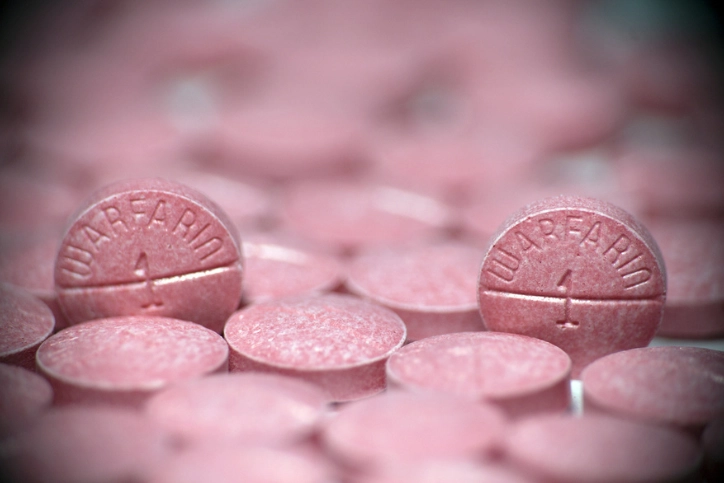
Alcohol can interact with different medications in different ways. If you or someone you know is taking blood thinners, you might want to know if there are any potential issues of mixing alcohol and blood thinners.
Information available may seem unclear or confusing, so this article will explain the potential risks, look at the differences between blood-thinning medications and give advice on warning signs and when to seek medical assistance.
What Are Blood Thinners?
Blood thinners are medications that prevent blood clots from forming. Despite the name, they do not actually thin the blood.
The main types of blood thinner are:
- Anticoagulants: such as warfarin, which slow down the body’s process of making clots.
- Direct Oral Anticoagulants (DOACs): a newer class of anticoagulants that affect part of the complex system involved in the formation of blood clots.
- Antiplatelets: such as aspirin and clopidogrel, which prevent blood cells called platelets from clumping together to form a clot.
Anticoagulants are generally given to people at a high risk of developing blood clots, to reduce their chances of developing serious conditions such as strokes and heart attacks.
Antiplatelets are mainly taken by people who have had a heart attack or stroke.
How Alcohol Affects the Blood
Alcohol can affect the blood in a number of different ways. The British Heart Foundation (BHF) says that having more than 3 alcoholic drinks in a sitting can cause a temporary rise in blood pressure, as stimulation of the nervous system increases the heart rate and narrows blood vessels.
However, regular drinking can have a lasting effect, as it can stop receptors in the brain that help regulate blood pressure from working properly. This could potentially lead to raised blood pressure, increasing the risk of heart issues and stroke.
Alcohol can also affect the platelets and other components of the blood-clotting system. It can also interfere with the liver’s ability to regulate blood sugar levels, which can lead to dangerously low blood sugar or hypoglycemia.
As alcohol and blood thinners both reduce the blood’s ability to clot, combining them can produce a cumulative effect
Can You Drink Alcohol on Blood Thinners?
So can you drink alcohol on blood thinners? The short answer is that it depends on the medication, amount of alcohol and individual health issues, but if you are on blood thinners it is always safest to avoid alcohol.
There is certainly a difference between occasional low-level drinking and regular or heavy drinking, but what is considered ‘safe’ can vary and it is essential to get medical advice for your own specific situation.
Alcohol and Specific Blood Thinner Medications
Warfarin and Alcohol
Warfarin is the most commonly used anticoagulant. According to the BHF it is generally okay to drink alcohol on warfarin, as long as you stick to recommended low-risk alcohol guidelines, i.e. 14 units or less per week spread out with no binge-drinking. Any more can be risky because alcohol can increase the effect of the drug and raise your risk of a bleed
Direct Oral Anticoagulants (DOACs) and Alcohol
Alcohol does not directly interact with DOACs and it is generally safe to drink while taking them. However, heavy drinking can affect the liver, which is responsible for metabolising some DOACs and can lead to severe bleeding.
Antiplatelets and Alcohol
In general, it is advised not to drink alcohol when taking antiplatelets, including aspirin, as it can increase the risk of bleeding, including stomach bleeding and ulcers.
Risks of Mixing Alcohol and Blood Thinners
There can be numerous risks caused by blood thinners and alcohol interaction. These may include an increased risk of gastrointestinal and other types of internal bleeding. Cuts from falls or accidents can also be more dangerous as alcohol can compound the effects of ‘blood thinning’ drugs. The result can be that cuts do not stop bleeding as they should, leading to haemorrhage. Heavy drinking can also put strain on the liver, affecting its ability to metabolise medications.
Binge drinking or prolonged heavy drinking can increase these risks, as well as exposing the drinker to a wide range of other potential harms.
As well as the direct risks, drinking while on blood thinners can affect control of the medication and the results intended by the physician who prescribed them. It could also potentially mask symptoms of complications and side effects from the medications.
Warning Signs to Seek Medical Help
There are a number of potential warning signs but if you notice any of the following, you should seek medical advice immediately:
- Unusual or prolonged bleeding
- Black or bloody stools
- Severe bruising
- Dizziness, weakness or confusion
Alcohol Dependency and Medication Risks
Alcohol misuse can affect the ways in which many medications work, including some blood thinners. As well as direct interactions within the body, drinking can sometimes disrupt a patient’s medicine schedule as they may forget or neglect to take medicines when they should.
Alcohol use in general can also put additional strain on many parts of the body, including the heart and cardiovascular system – which blood thinners are generally prescribed to treat. If you regularly drink more than the recommended low-risk guidelines or struggle to stop or cut back, especially when the drinking may be impacting other health issues, you may
How Rehab Clinics Group Can Help
Rehab Clinics Group offers holistic support for problem drinking and alcohol dependency.
This can include medically supervised alcohol detox and full alcohol rehab programmes. Recognised techniques such as cognitive behavioural therapy (CBT), group therapy and counselling can help to explore the root causes of problem drinking and the psychological aspects of addiction, while relapse prevention sessions and ongoing aftercare can help you to maintain the recovery.
The emphasis is always on personalised, confidential and non-judgemental treatment options that can help you to take control of your drinking.
The risks of drinking alcohol while on blood thinners can vary depending on the medication involved and individual circumstances, but it is generally best to moderate alcohol intake or cut it out altogether.
If you need help to do this, you’re not alone. Get in touch with Rehab Clinics Group today to find out more.